
In many universities across Pakistan, Artificial Intelligence (AI) is taught primarily through lectures, slides, and examinations. While this theoretical grounding is important, it often leaves students asking a critical question: How do these concepts actually work outside the classroom?
This disconnect between theory and application is particularly visible in developing higher education systems. In Pakistan, where employers frequently report a skills gap among graduates, such initiatives support skills-focused higher education and show how a UOR students AI field visit can help develop future-ready graduates aligned with national innovation and employment goals. As Artificial intelligence increasingly shapes industries and research, the gap between theory and practice has become more visible across higher education.
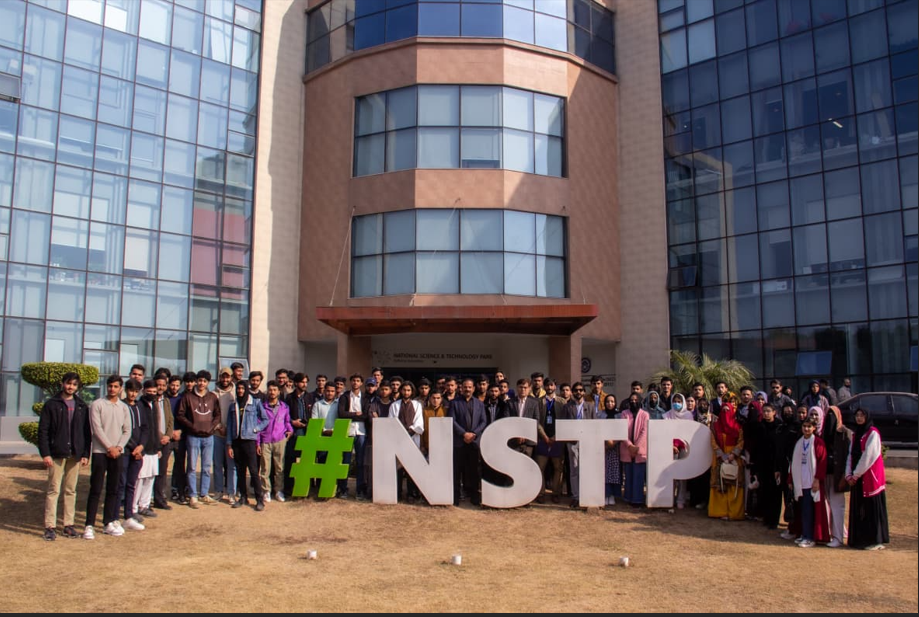
Recent research published on arXiv titled “AI Education in a Mirror: Challenges Faced by Academic and Industry Experts” highlights significant differences between theoretical AI training in academia and practical challenges faced by industry professionals, suggesting curriculum reforms and real-world engagement are essential for future readiness. Recognizing this challenge, the Department of Computing and Intelligent Systems at University of Rawalpindi under the supervision of Dr. Amad-ud-Din (Assistant Professor) and Muhammad Adil (Lecturer) organized an educational visit on 16 December 2025 to the National Science & Technology Park (NSTP) and the National Centre of Artificial Intelligence (NCAI) at NUST, Islamabad. The visit offered students a chance to observe how AI moves from academic concepts to applied research, startups, and practical problem solving.
This AI field visit of UOR students made them raise a broader question facing universities today: How can higher education institutions prepare students for AI-driven futures without exposing them to real research and innovation environments?
Artificial Intelligence beyond Textbooks: A Wider Context
AI is transforming sectors worldwide, including healthcare, finance, agriculture, education, and public administration. According to the World Bank’s World Development Report: The Changing Nature of Work, employers increasingly demand graduates who can apply technical knowledge, think critically, and adapt to rapidly evolving technologies—skills that traditional lecture-based education often fails to develop.
Recent studies published in show that Artificial Intelligence-enhanced learning environments significantly increase student engagement and tailored learning pathways compared to traditional models, emphasizing the value of active, context-rich experiences.
In Pakistan, however, this challenge is greater because of limited collaboration between industry and academia and fewer opportunities for students to access advanced research environments. Educational visits, industry partnerships, and research exposure are essential for aligning university education with national innovation and skills development goals.
The UOR Experience: Learning at NSTP
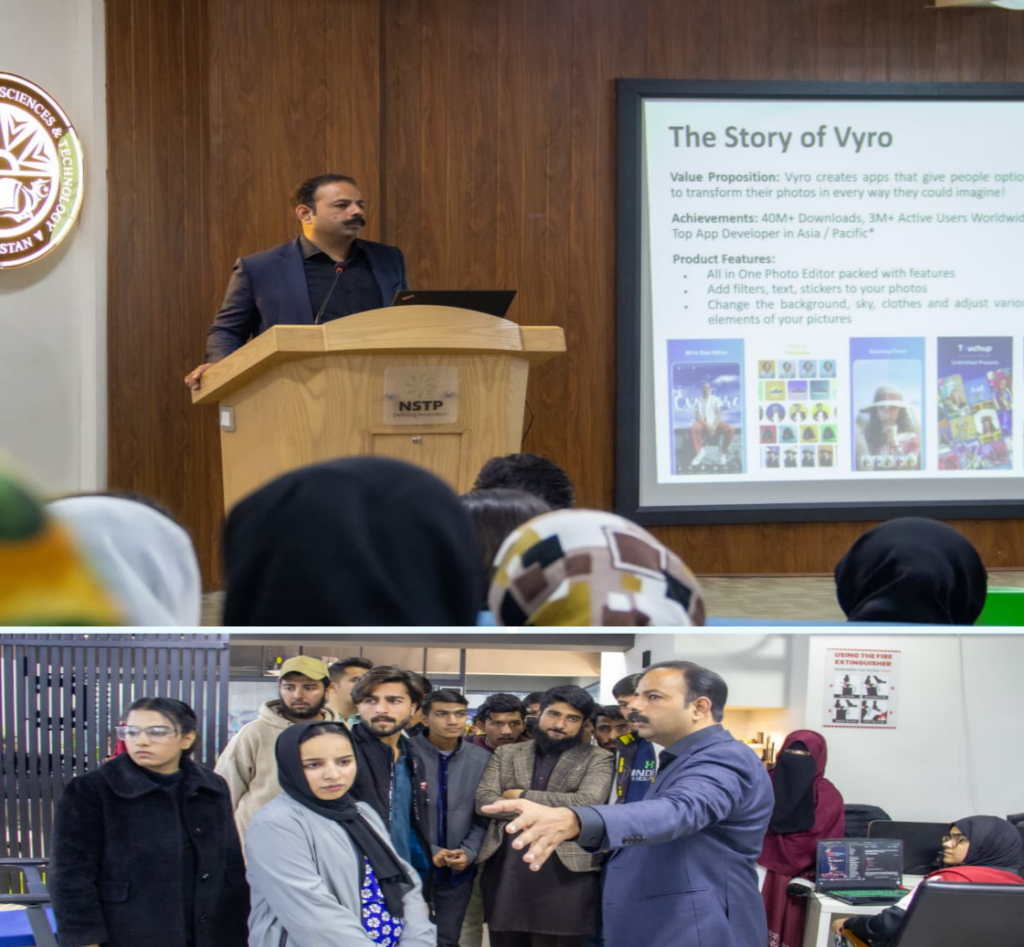
At NSTP, students were introduced to Pakistan’s growing research and startup ecosystem. The AI field visit UOR students experienced here demonstrated how academic concepts evolve into applied research and innovation.
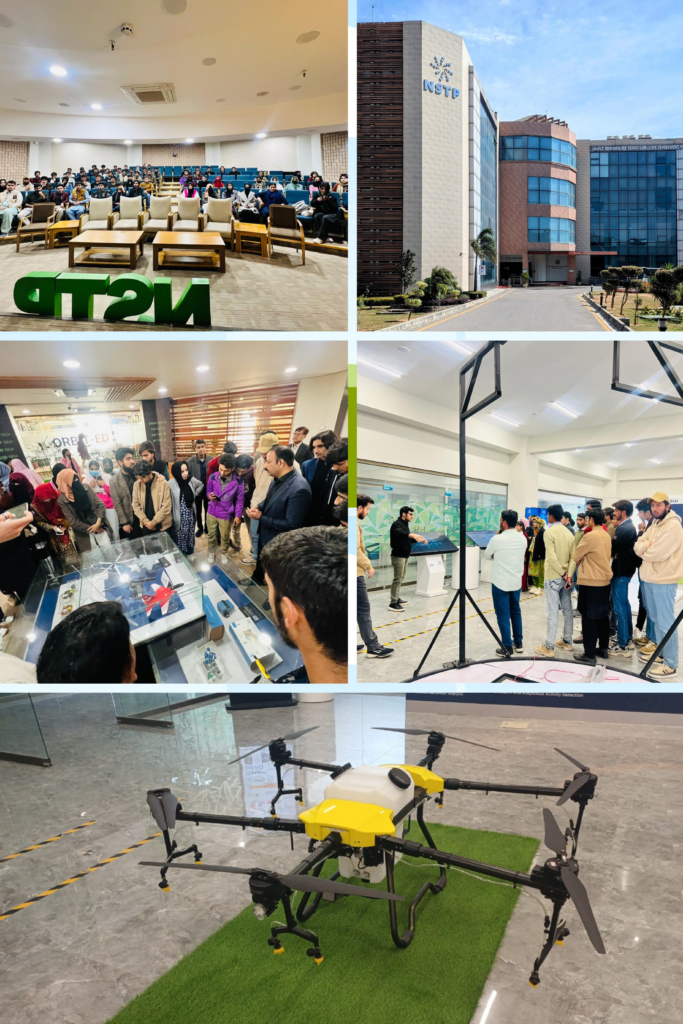
The sessions focused on how AI-driven ideas are nurtured, tested, and scaled into practical solutions. Rather than abstract discussions, experts explained concrete workflows: identifying a real-world problem, developing an AI-based model, validating it with data, and refining it into a deployable product.
Mudassir Khan, BS Software Engineering (first semester) shared: “The NSTP NUST visit provided meaningful exposure to real-world innovation, reinforcing the importance of practical learning and hands-on technical growth.”
Students learned about:
• The transition of Artificial Intelligence research into startups and commercial applications
• The importance of interdisciplinary teams in developing intelligent systems
• Key skills employers and incubators seek in AI graduates
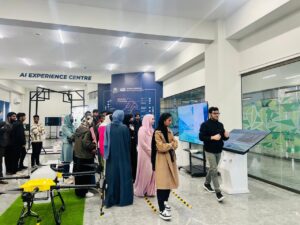
For many participants, this was their first opportunity to see how classroom concepts such as algorithms, datasets, and models are applied in real-world business and organizational tools. The visit enabled students to connect their academic learning to the broader innovation pipeline.
Another student Khadija Masood BS Computer Science shared her thoughts: “The NSTP NUST visit guided me in shaping my ideas and career direction in computer science. Exposure to real-world projects and practical applications significantly enhanced my understanding of the field“.
Inside AI research at NCAI
The visit to NCAI offered students exposure to advanced AI research environments, reinforcing the value of AI field visit UOR students undertake as part of practical Artificial intelligence learning. Researchers and faculty discussed projects in machine learning, data-driven decision systems, and intelligent automation focused on real societal challenges.
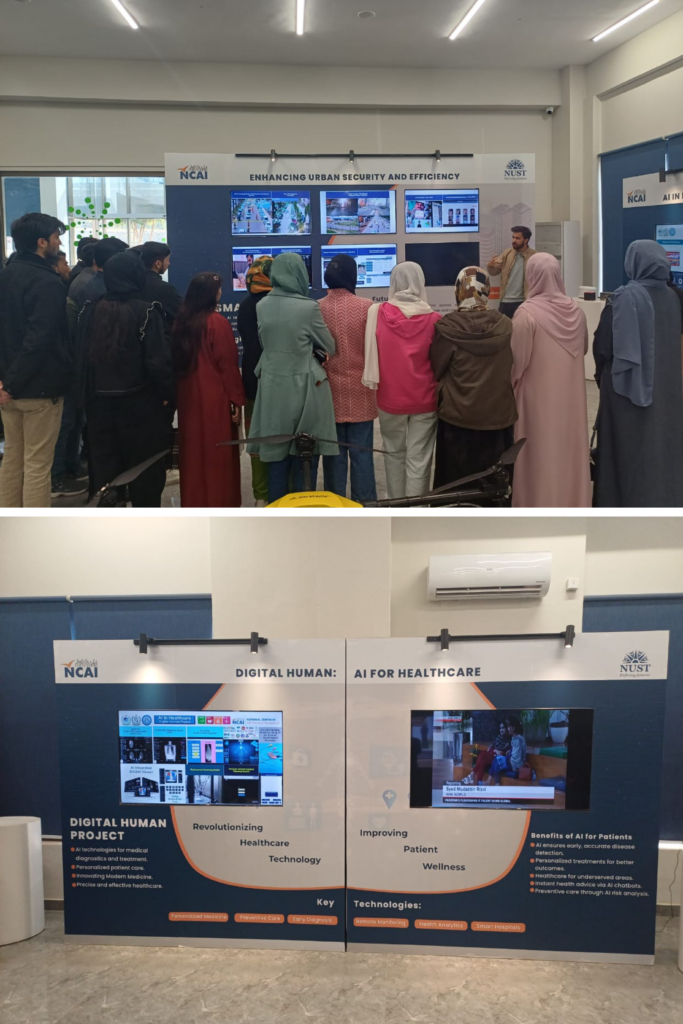
These discussions were presented in accessible terms, helping students relate research activities to familiar coursework topics. Concepts like model training, data interpretation, and AI ethics became tangible elements of ongoing research.
This interaction encouraged students to view research as a viable academic and professional path, especially for those interested in postgraduate studies or innovation-driven careers.
What students gained: impact and early lessons?
One of the most significant outcomes of the visit was a shift in students’ perspective. Exposure to researchers and practitioners helped clarify:
• The diverse career paths available within AI, beyond software development
• The importance of continuous learning in rapidly evolving technological fields
• The value of critical thinking and problem formulation, not just technical execution
Faculty observations and student feedback indicated increased motivation and curiosity, particularly among students who were previously uncertain about the practical relevance of AI theory.
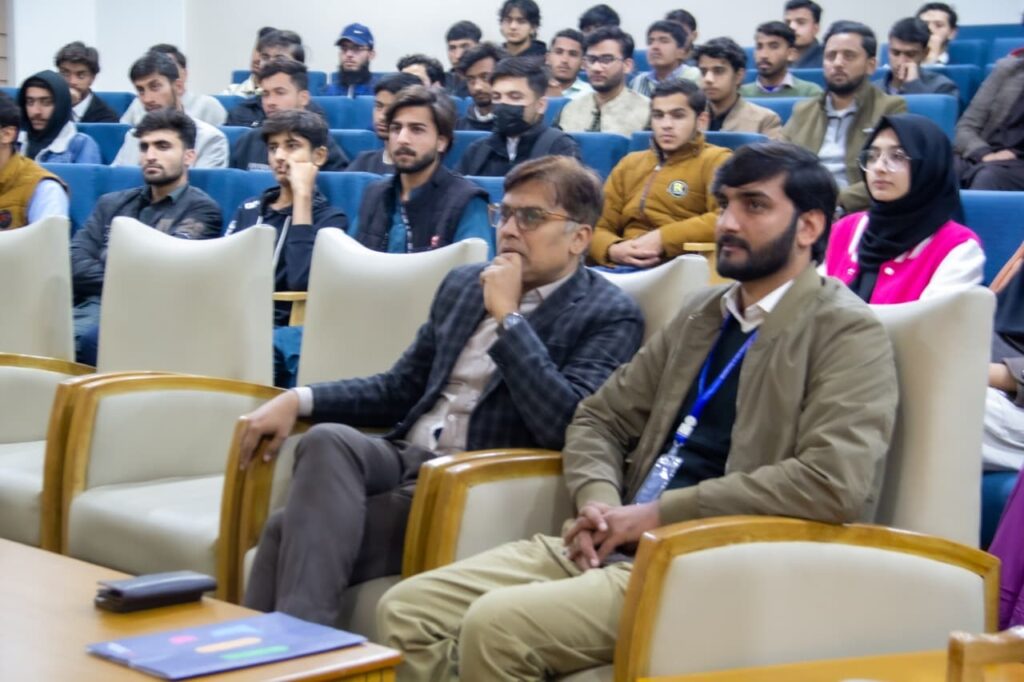
Reflecting on the visit, Muhammad Adil, Lecturer, Department of Computing and Intelligent Systems, noted that “exposure to real-world AI innovations and the startup ecosystem helped students better understand how Artificial Intelligence is applied in practice and how it is shaping contemporary industries. Overall, the experience proved highly motivating, while also highlighting the need for stronger foundational skills and more consistent collaboration between universities and research institutions.”
Broader implications for universities in Pakistan
The experience at NSTP and NCAI offers several lessons for higher education institutions:
• Structured exposure matters: One-off lectures cannot replace carefully designed field visits and research interactions
• Curriculum and practice must align: Classroom teaching should be complemented by opportunities to observe and engage with applied work
• Partnerships are essential: Collaboration between universities, research centers, and industry strengthens graduate readiness
Integrating these experiences into academic programs enables universities to better prepare students for the demands of AI-driven economies.
Conclusion: connecting learning with the future of work
Overall, this AI field visit of UOR students to NSTP and NCAI demonstrated how purposeful engagement beyond campus can enrich student learning. By connecting classroom instruction with real-world Artificial Intelligence research and innovation, University of Rawalpindi helped students better understand how their education relates to broader technological and societal transformations.
As University of Rawalpindi promotes practice-oriented learning, initiatives like this highlight the value of linking classroom instruction with research and innovation. For more information, please explore related academic initiatives and learning opportunities on UOR blog.