


No one starts university knowing everything.
And that’s completely okay.
The first year of university feels exciting. New campus. New people. New independence. But beneath that excitement, there’s uncertainty. Many students enter university with assumptions that don’t always match reality.
Mistakes happen. Not because students aren’t capable, but because they’re adjusting.
The good news? Most first-year mistakes are fixable. And often, they become the foundation for growth.
1. Treating University Like School
University requires initiative. Not supervision.
Many first-year students expect reminders, strict monitoring, and constant guidance, just like school. But university demands independence. Professors guide, but they don’t chase.

How to fix it:
Start managing your own deadlines. Use planners. Review course outlines early. Ask questions before confusion builds up. When students shift from passive receivers to active learners, confidence grows quickly.
University rewards responsibility.
2. Focusing Only on Grades
Marks matter, but they’re not everything.
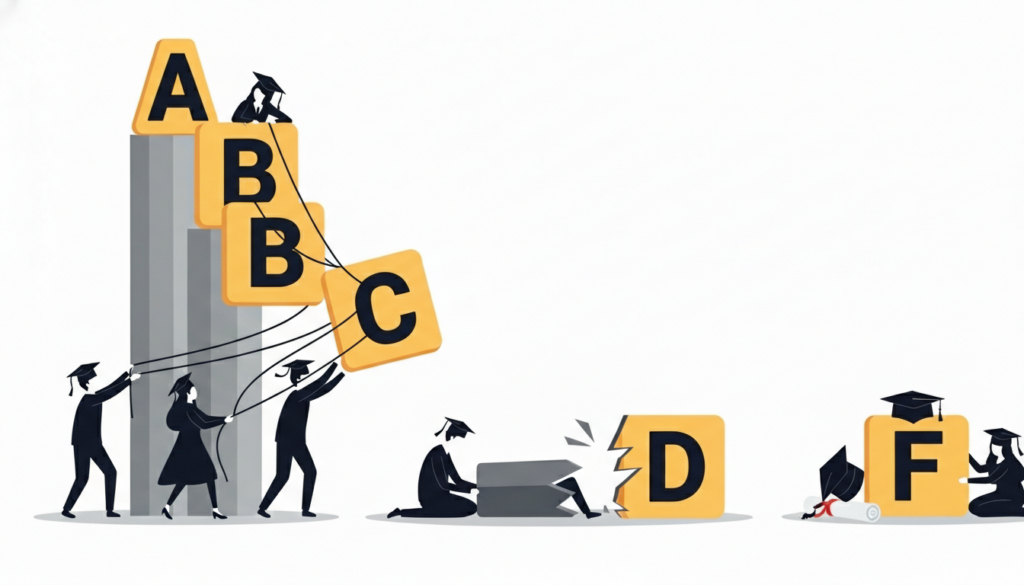
First-year students often obsess over GPA. Every quiz feels overwhelming. Every result feels personal. While academic performance is important, growth goes beyond numbers. Research indicates that students’ study skills, such as time management, effective reading, and learning strategies, have a measurable relationship with academic performance beyond raw GPA alone. A study examining the “Relationship Between Study Skills of Students and their GPA” highlights how strategic learning practices often contribute more to long-term academic success than grades alone.
How to fix it:
Focus on understanding concepts, participating in discussions, and improving gradually. Presentations, projects, and teamwork build skills employers value just as much as grades.
Learning is bigger than marks.
3. Ignoring Time Management
Freedom without structure becomes chaos.
University schedules are flexible, and that flexibility can backfire. Without a routine, assignments pile up. Stress increases near examinations.

How to fix it:
Create weekly study blocks. Divide tasks into small goals. Avoid last-minute cramming. Consistency reduces anxiety more than intensity does.
Time management is not about being busy. It’s about being intentional.
4. Trying to Do Everything Alone
Isolation makes challenges heavier.
Some students hesitate to ask questions. Others avoid group discussions because they fear judgement. But university learning thrives on interaction.
How to fix it:
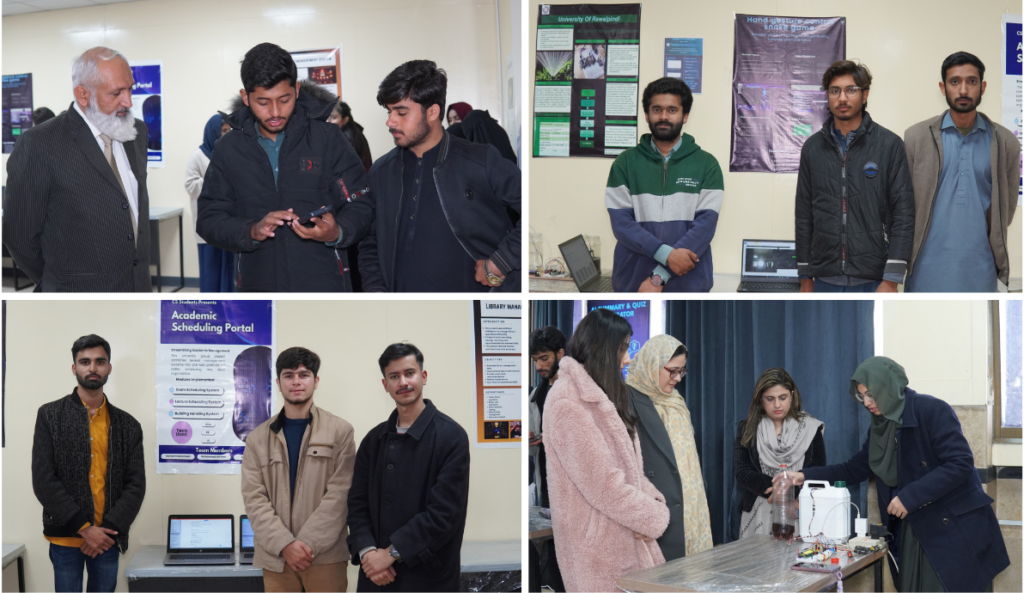
Engage in collaborative projects. Participate in presentations. Discuss concepts with classmates. Speak to faculty when confused. Academic conversations strengthen understanding and reduce stress.
Confidence grows when students allow themselves to seek clarity.
5. Expecting Instant Clarity about the Future
Not knowing is part of the journey.
Many first-year students feel pressured to have a fully mapped career plan. When uncertainty appears, anxiety follows.
How to fix it:
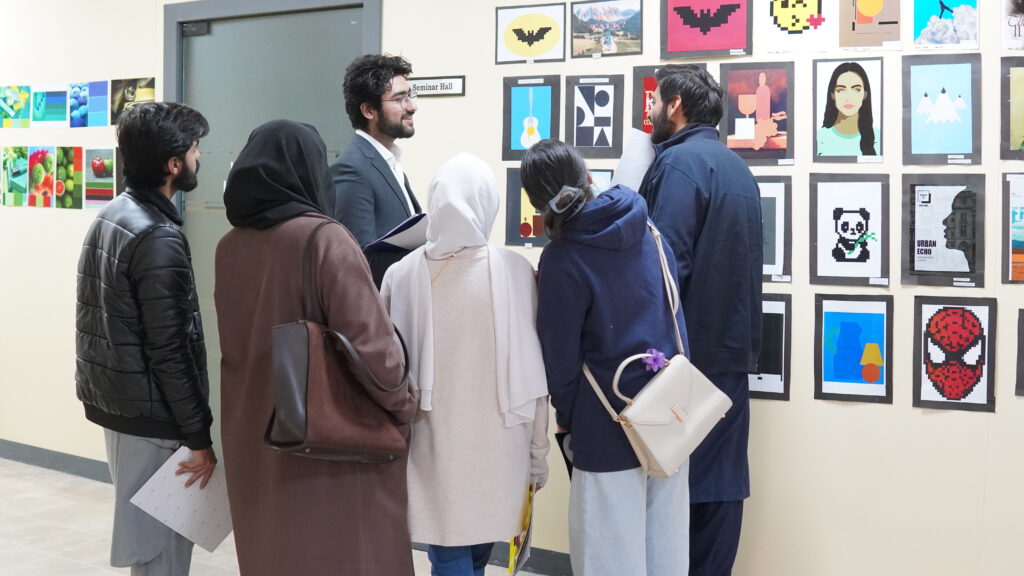
Use the first year to explore. Attend workshops. Join societies. Engage in projects. Exposure builds direction. Over time, interests evolve naturally.
University is not just about arriving at answers. It’s about discovering them.
Growth Happens Through Adjustment
The first year is rarely perfect. It’s transitional. Students are adapting academically, socially, and emotionally. Mistakes during this phase are not setbacks, they are learning experiences.
What matters is reflection. When students recognize patterns early and make small adjustments, improvement becomes steady.
Confidence doesn’t appear overnight. It develops through experience.
The First Year of University Shapes Everything After
The habits students build in their first year often influence the rest of their academic journey. Responsibility, curiosity, time management, and communication skills create a strong foundation.

University is not designed to test perfection. It is designed to cultivate development.
When students shift their mindset from fear of mistakes to willingness to learn, the entire experience changes.
Through initiatives like orientation programs, student societies, collaborative learning opportunities, and mentorship, University of Rawalpindi strives to support students as they build these habits.
Explore More Student Insights
Every academic journey comes with lessons beyond textbooks. Discover more guidance, student experiences, and campus insights through other blogs at UOR, and continue building a smarter, more confident university path.