
Money decisions don’t come with a manual.
Yet students make them every day.
From managing monthly expenses to using digital wallets and banking apps, financial choices quickly become part of student life. Most of the time, they’re learned through trial and error. To change that, University of Rawalpindi (UOR) hosted a financial literacy workshop under the National Financial Literacy Program for Youth (NFLP-Y): a flagship initiative of the State Bank of Pakistan (SBP).
The goal was simple: help students understand money before money starts controlling their choices.
Why Financial Literacy Is a Game Changer for Students
Financial literacy isn’t just about numbers.
It’s about confidence.
Globally, financial literacy is increasingly recognized as a core life skill. According to the World Bank’s Financial Inclusion Overview, access to financial services helps individuals manage economic risks, build savings, and participate more fully in formal economic systems, empowering them to better withstand income shocks and avoid the negative consequences of exclusion.
University life is often the first time students manage their own finances. Poor habits formed here can follow them for years. Smart ones can open doors instead. Understanding budgeting, saving, and responsible spending helps students reduce stress, plan better, and think long-term.
In a country where many young people have limited exposure to formal banking, early financial awareness also supports wider economic inclusion. Simply put, financially informed students are better prepared, for careers, entrepreneurship, and life beyond campus.
NFLP-Y Workshop Hosted at University of Rawalpindi
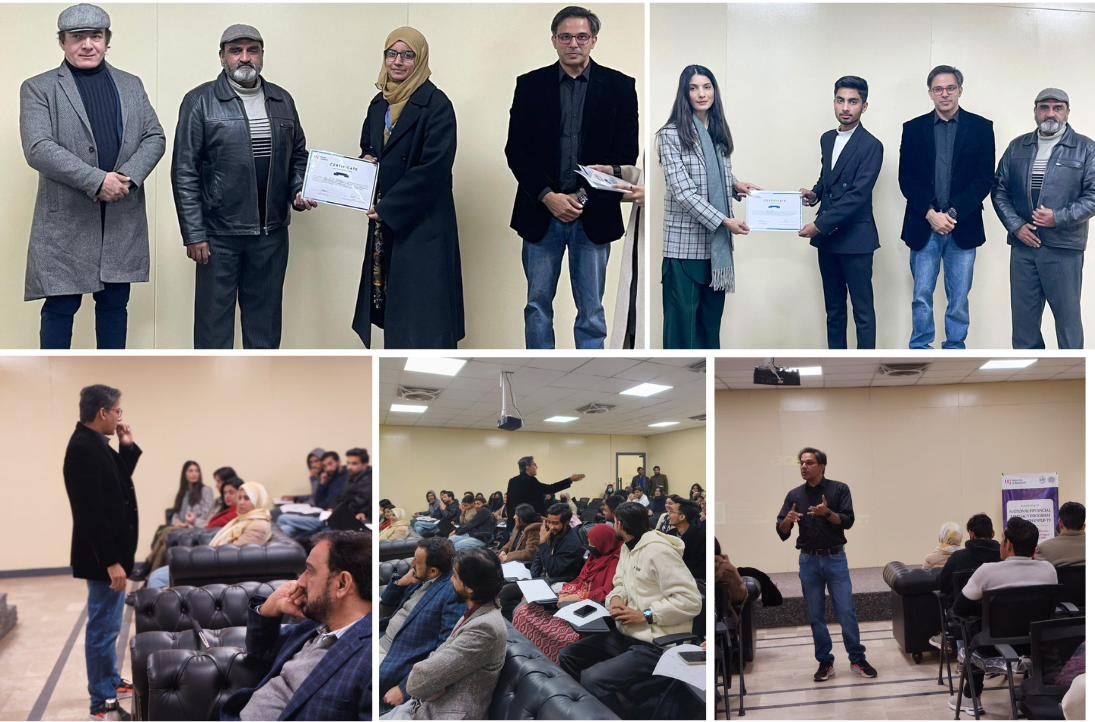
As part of the State Bank of Pakistan’s NFLP-Y initiative, the Department of Applied Business and Economics, University of Rawalpindi, under the leadership of Dr. Rubab Tahir, organized a National Financial Literacy Awareness Workshop for Youth in collaboration with the National Institute of Banking and Finance (NIBAF).
Students from business, digital design, and social sciences took part. The mix of disciplines sent a clear message: money skills matter to everyone, not just finance students.
Learning That Felt Real, Not Theoretical
The training session was led by Mr. Salman Shehzad, Project Director of NFLP-Y, State Bank of Pakistan. His approach was practical, direct, and relatable.
No jargon. No long lectures.
Instead, the session focused on everyday financial realities. Topics included:
• Managing personal budgets
• Developing healthy saving habits
• Understanding banking services
• Avoiding irresponsible borrowing
• Exploring social entrepreneurship
Students didn’t just listen, they participated. They created personal monthly budgets. They identified hidden banking charges. They reflected on their own spending patterns. Small exercises, big realizations.
The session also introduced the Lean Canvas framework, helping students connect financial planning with business ideas. A strong emphasis on social entrepreneurship encouraged participants to think beyond profit and consider impact.
A Bigger Picture: Keynote Insights on Financial Responsibility
The workshop was further enriched by a keynote address from Dr. Abdul Ghaffar Khan, Associate Professor and Academics Director at Mohi-ud-Din Islamic University.
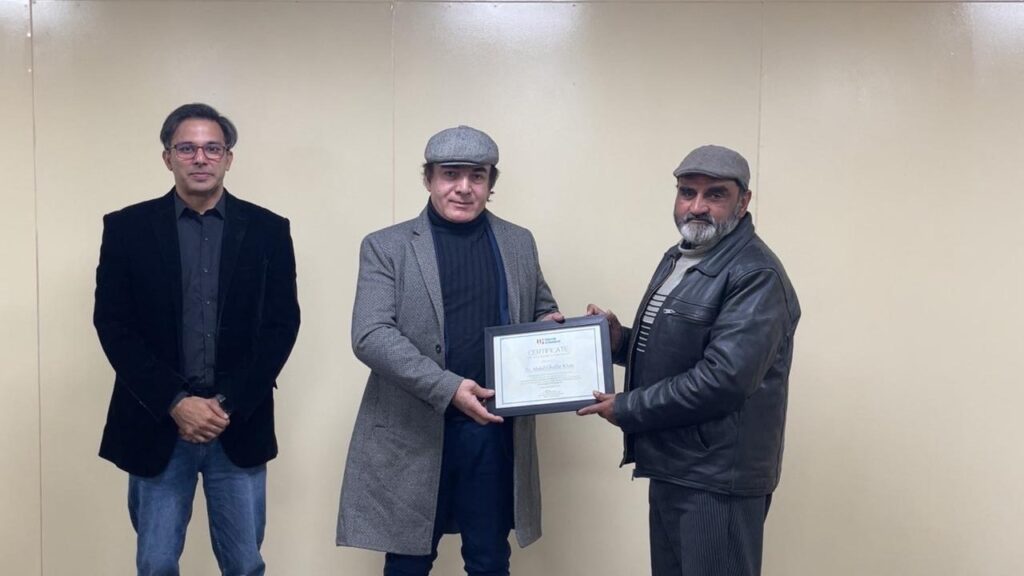
Drawing from national and international experience, he highlighted how financial awareness shapes ethical leadership, sustainable growth, and responsible citizenship. His message was clear: informed financial choices don’t just benefit individuals, they strengthen societies.
Student Voices, Real Engagement
What stood out most was student involvement.
Questions sparked discussions. Discussions led to reflection. Students openly shared concerns about expenses, savings, and future planning. The environment felt open, interactive, and relevant.
As Emaan Khan, a BSAF first semester student after attending the workshop shared her pov;
“The workshop on NFLY-P was effective and informative. It provided a clear understanding of entrepreneurial concepts, especially the use of tools like the lean canvas for idea validation and business planning. The interactive sessions and practical examples helped me connect theory with real-world applications. Overall, the workshop enhanced my knowledge and motivated me to think more creatively and strategically”
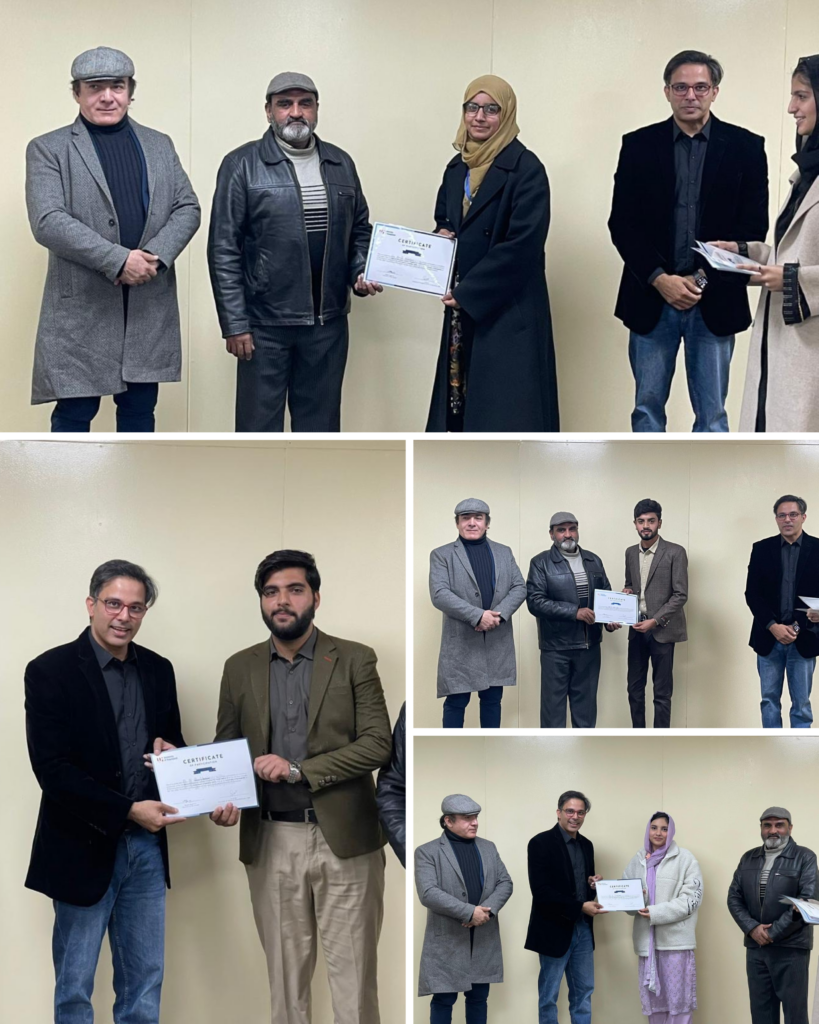
By the end of the workshop, participants walked away with clearer understanding of budgeting, saving, and financial discipline, skills that apply whether they pursue careers in technology, creative fields, social sciences, or entrepreneurship.
More Than a Workshop: A Step toward Real-World Learning
The NFLP-Y Financial Literacy Initiative, delivered through workshops like this at UOR, reflects a growing shift toward practical, life-oriented education. Financial literacy may not always appear on course outlines, but its impact reaches far beyond classrooms.
By hosting national programs like NFLP-Y, University of Rawalpindi continues to bridge the gap between academic learning and real-world readiness, equipping students with skills that matter long after graduation.
Because education isn’t just about degrees.
It’s about decisions.
About the UOR Blog
The UOR Blog is where campus life comes alive. It features stories, events, and initiatives that shape the student experience inside and outside the classroom.
From skill-focused workshops to student impact stories, the blog reflects how learning at UOR is practical, relevant, and future-ready. It’s a space to stay updated, stay curious, and stay connected with what’s happening across the university.